Rhythm without borders

Daryl Holden thought he was covering a concert and a traditional Indian cultural event. But hours later he was dancing with more than 1000 strangers.
For a few hours, a corner of Wellington didn’t feel like New Zealand at all.
It was like we’d all been transported on one of those mythical magical carpets back to India, or Gujarat to be precise - the country’s western state with a population of 73 million - and home to its former revered leader Mahatma Gandhi.
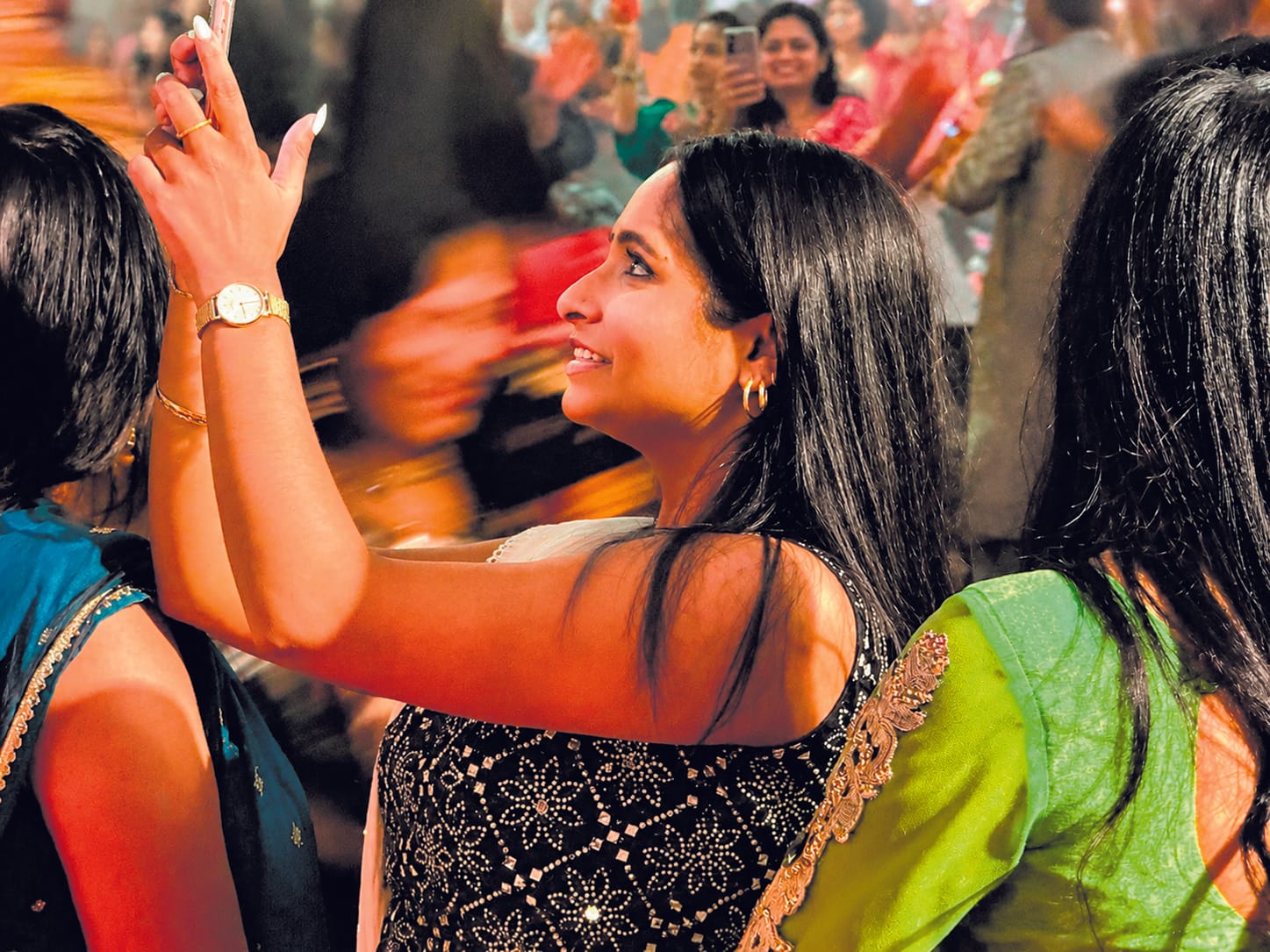
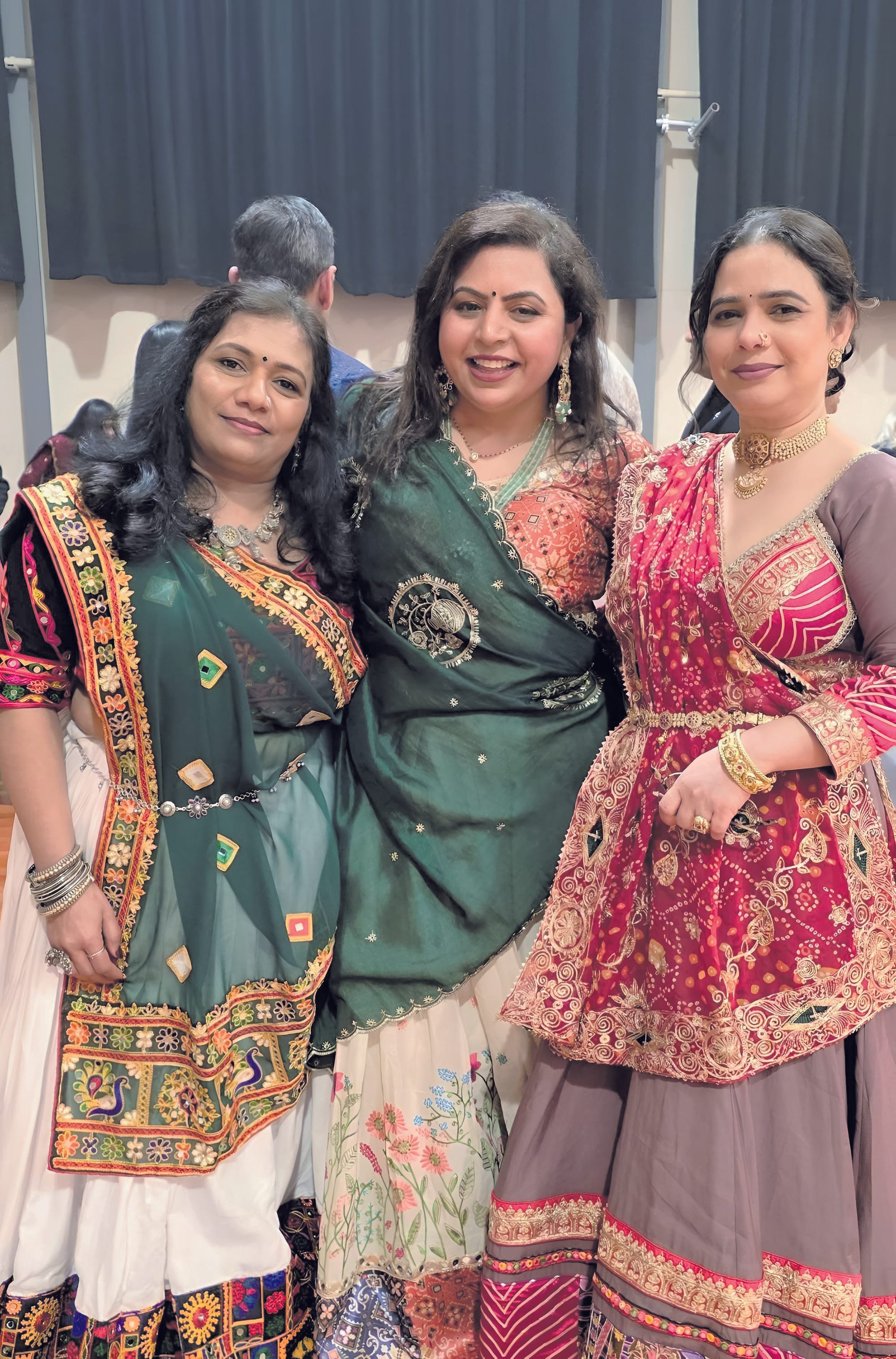
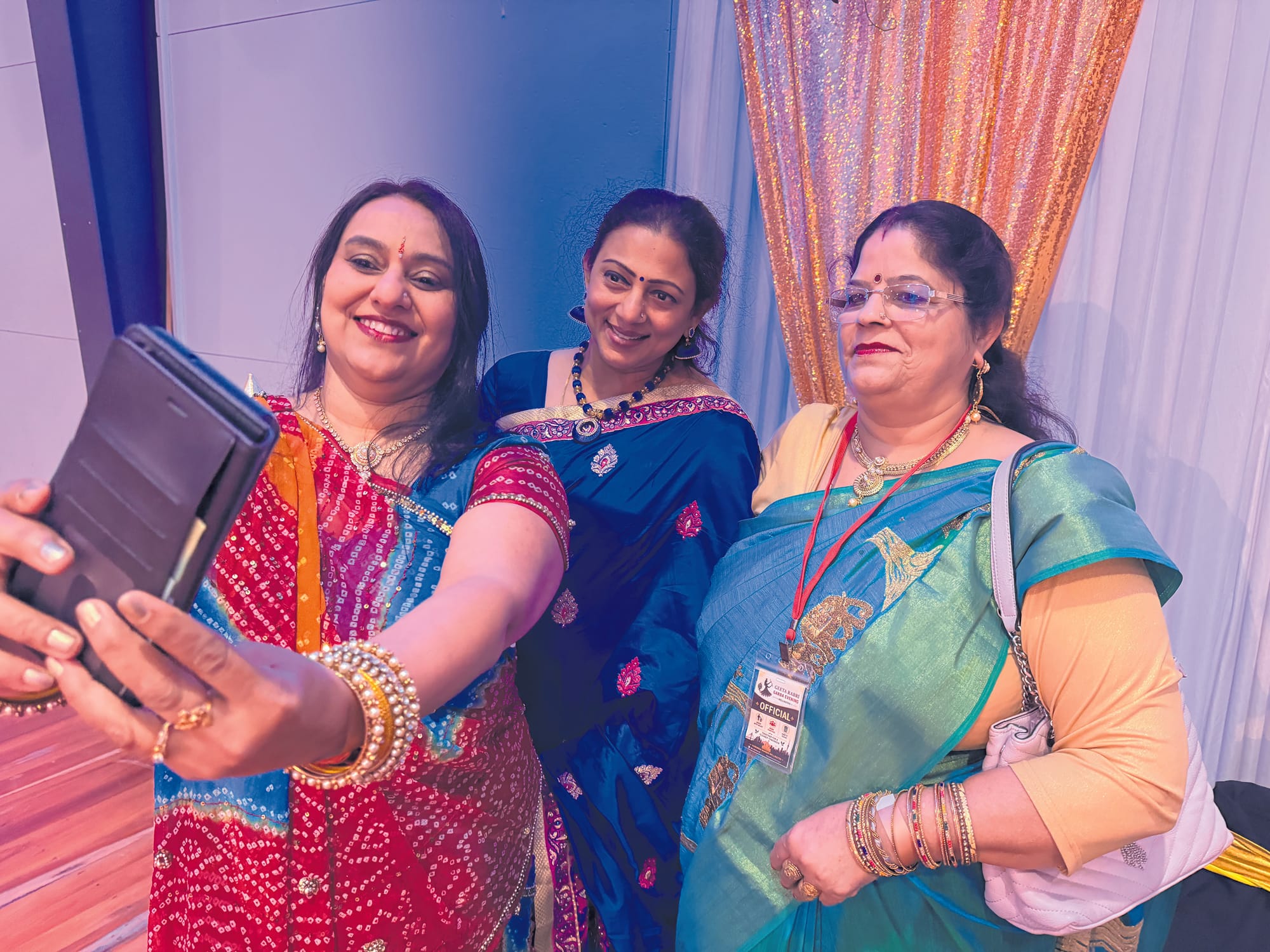
Because at the Indian Community Hall in the suburb of Kilbirnie last Friday night, colour burst across the dance floor as reds, greens, blues and golds flashed beneath the lights as the band played. Children danced beside grandparents. Teenagers laughed with friends. Parents clapped in time. More than 1000 attendees moved together in what looked like organised chaos.
But it wasn’t chaotic. Not at all. This was a celebration of Gujarat’s centuries-old Garba Indian folk dance where every step has purpose, with dancers flowing in a giant counterclockwise circle as they move endlessly around the room in a riveting example of one of their most cherished cultural traditions. And, as each song quickened, so did they, the circle tightening and expanding in rhythm until the hall became a living kaleidoscope.
At one point, I was swept into the circle where it felt like line dancing in a loop, everyone following the same steps, guided by rhythm rather than instruction. I still felt like Mr Bean but, when in Rome, I kept telling myself.
After all, I was attending the celebration as a guest of the organisers, all part of an evolving relationship to promote greater understanding of Indian culture and strengthen ties with New Zealand communities and businesses.
But the invitation offered more than a seat in the audience. It opened the door to an experience that I, nor many New Zealanders, I imagine, have ever encountered.
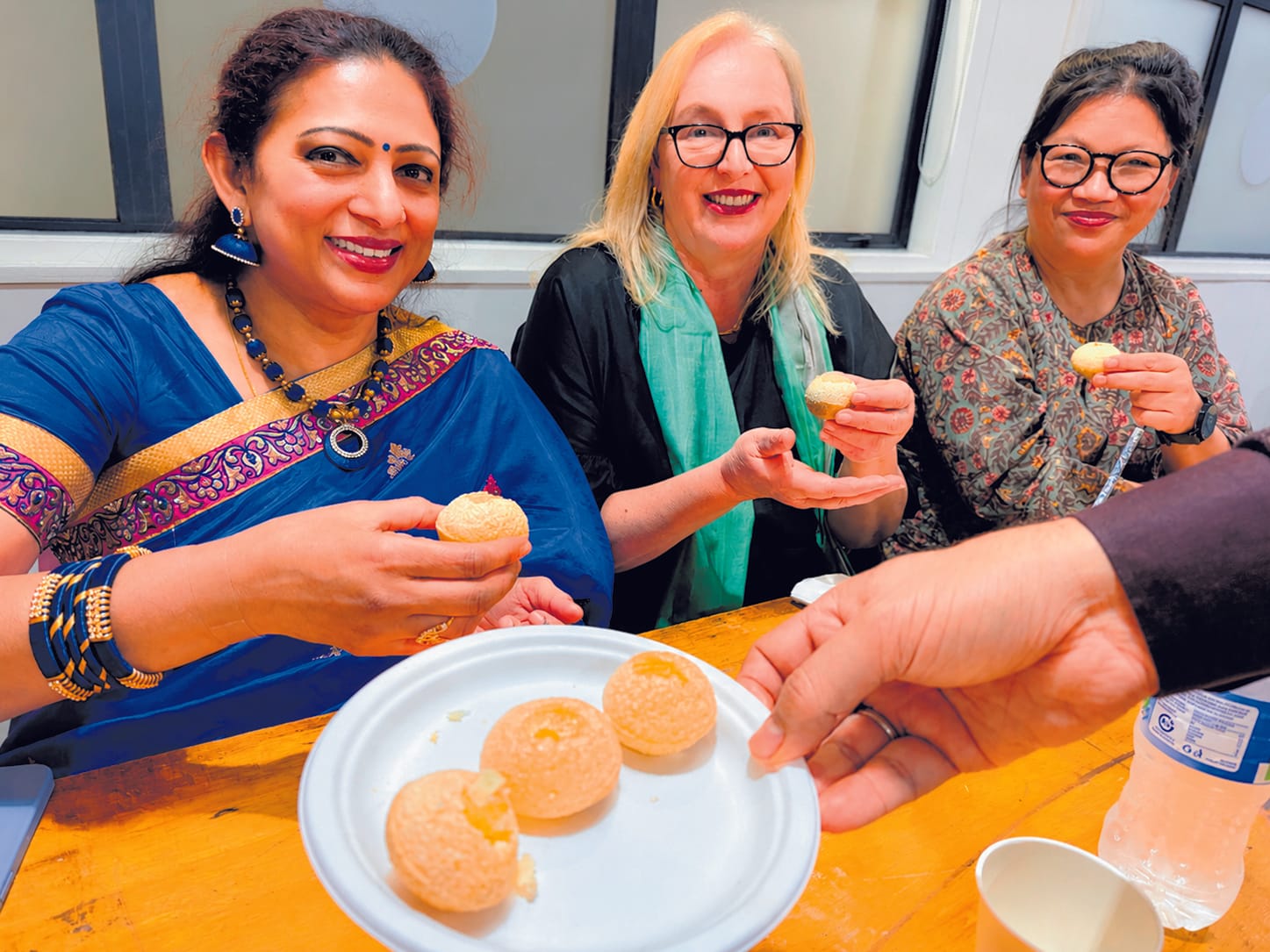
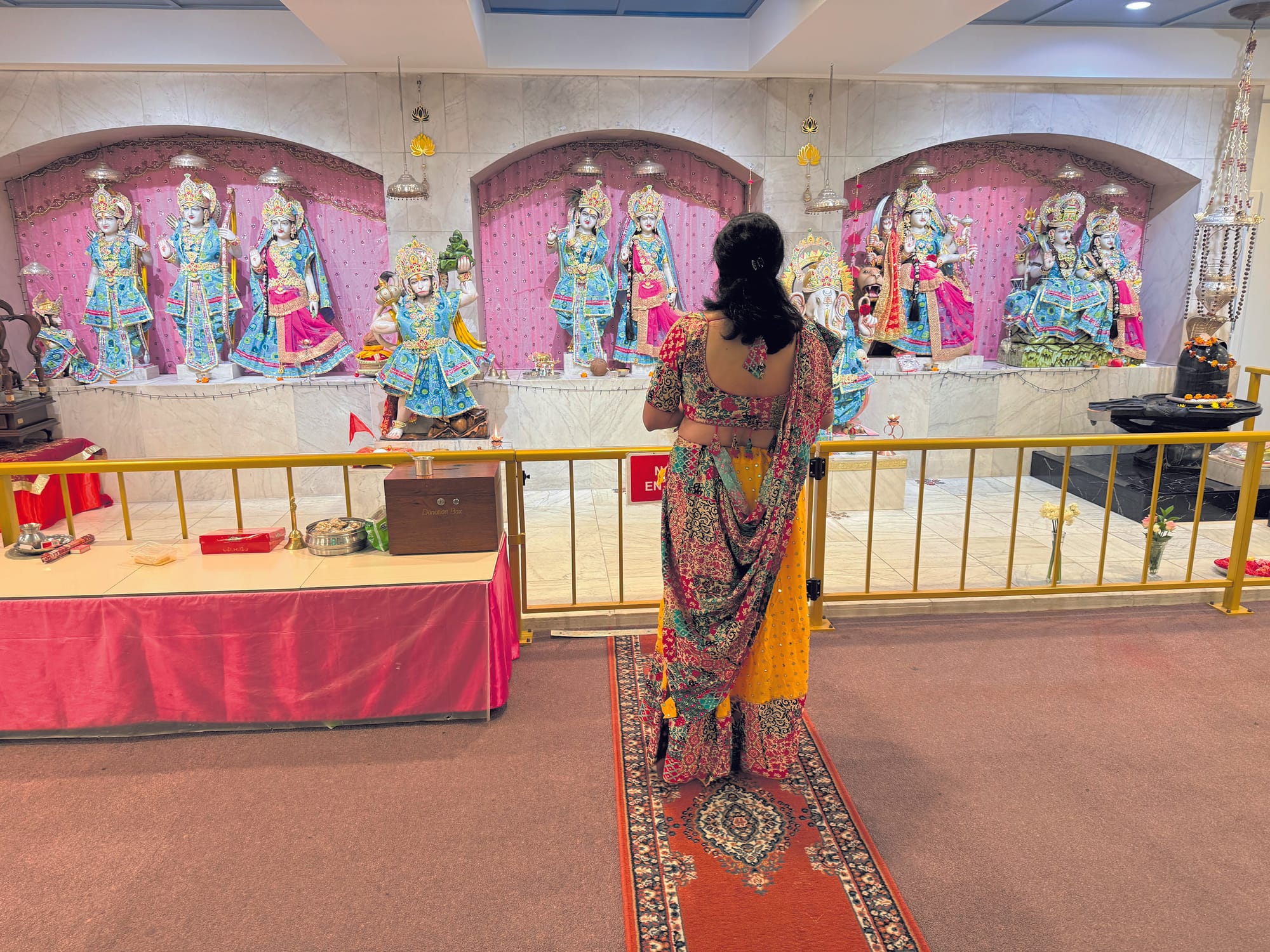
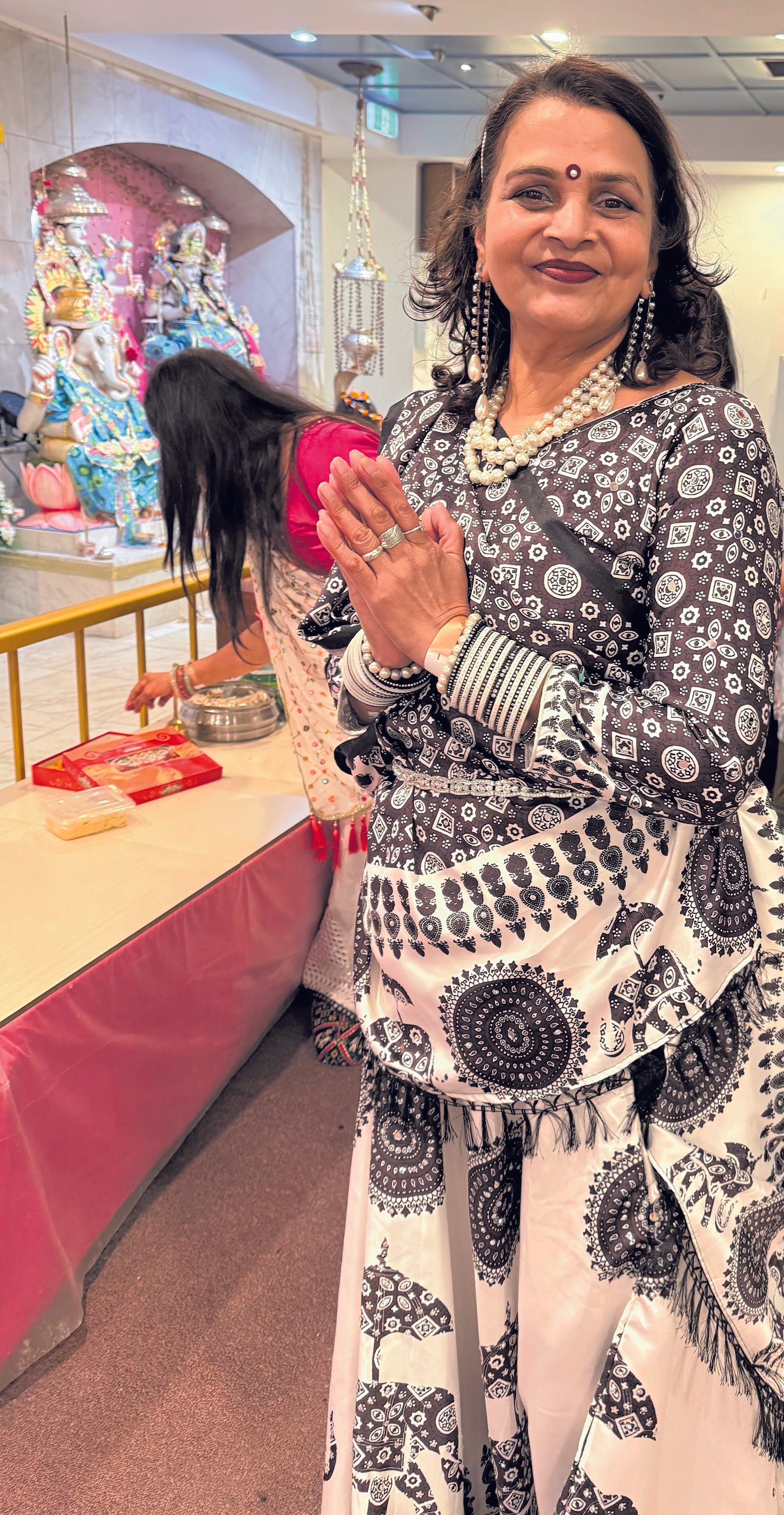
The venue itself became part of the experience, complete with a beautifully adorned temple featuring colourful shrines and intricate carvings. Throughout the evening, many took time to pray before returning to the music and dancing. Outside, the aroma of freshly prepared Indian street food drifted through the air as families gathered over plates of traditional favourites, adding another layer to an evening that wasn't just about entertainment.
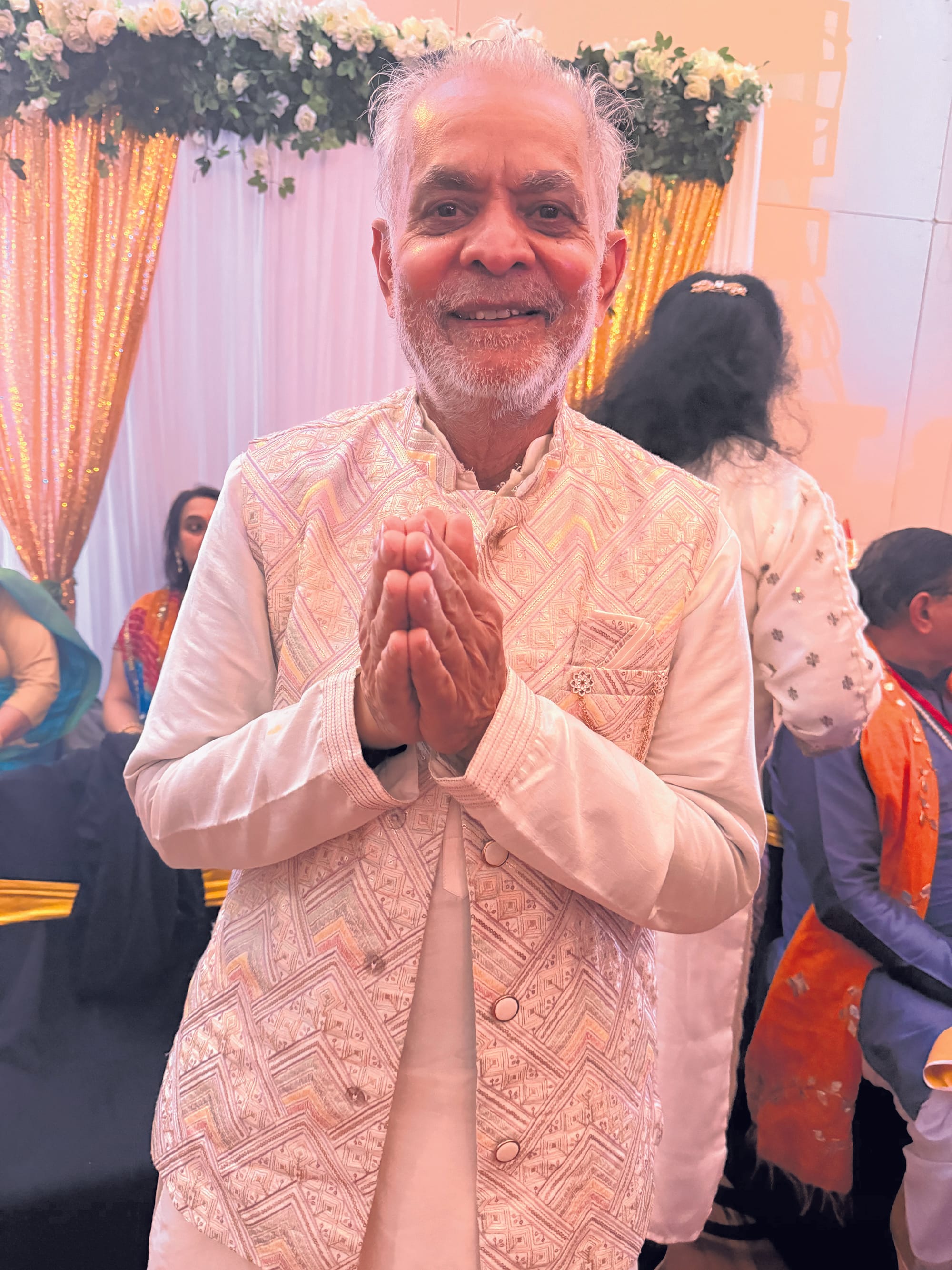
It was also about culture, faith and devotion, family and community, all woven together into one celebration. That spirit was obvious on the dance floor where there was little self-consciousnesses. Experienced Garba dancers welcomed newcomers into the ever-rotating circle. Smiles replaced instructions and if someone missed a step, others quietly guided them back
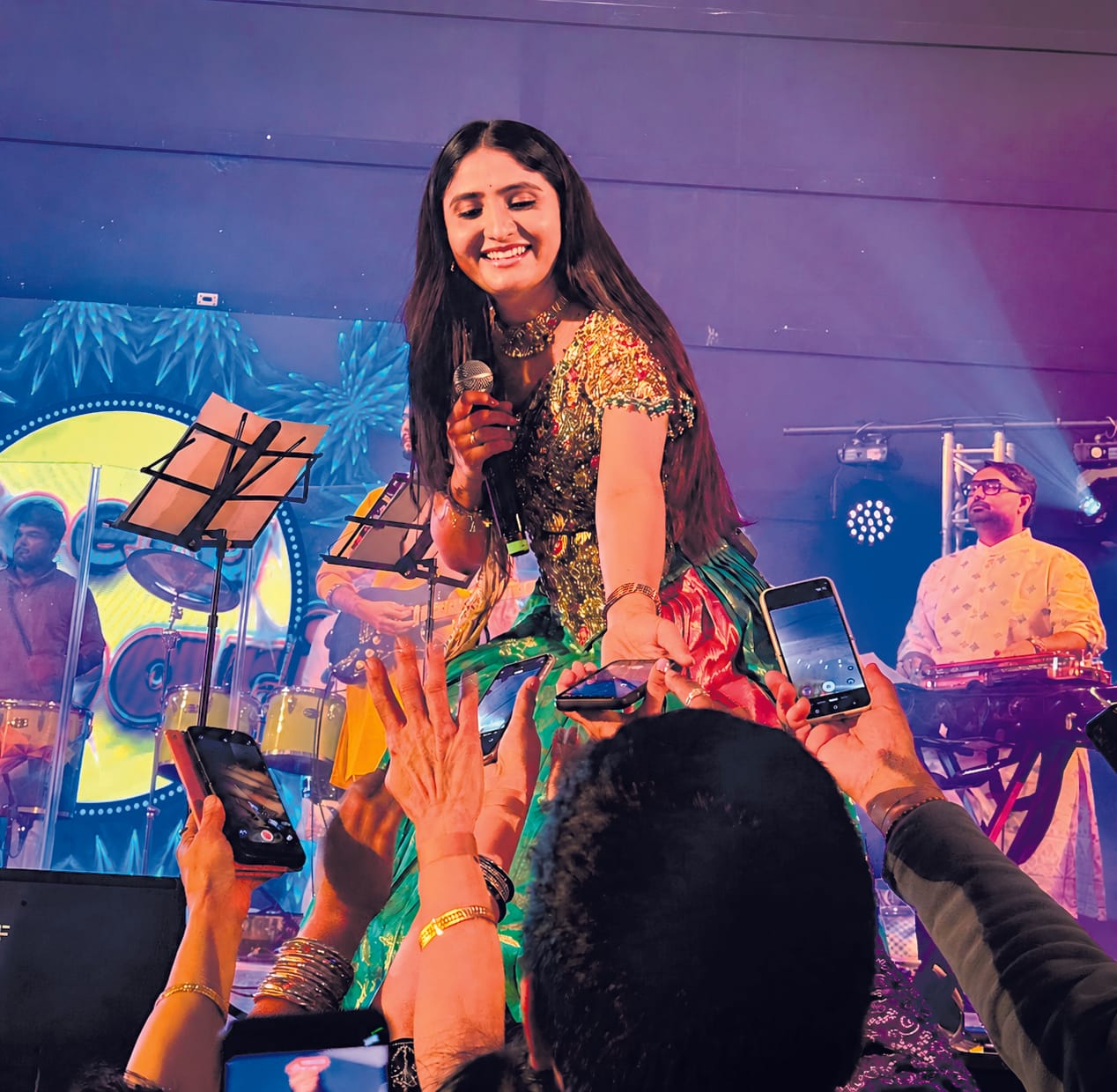
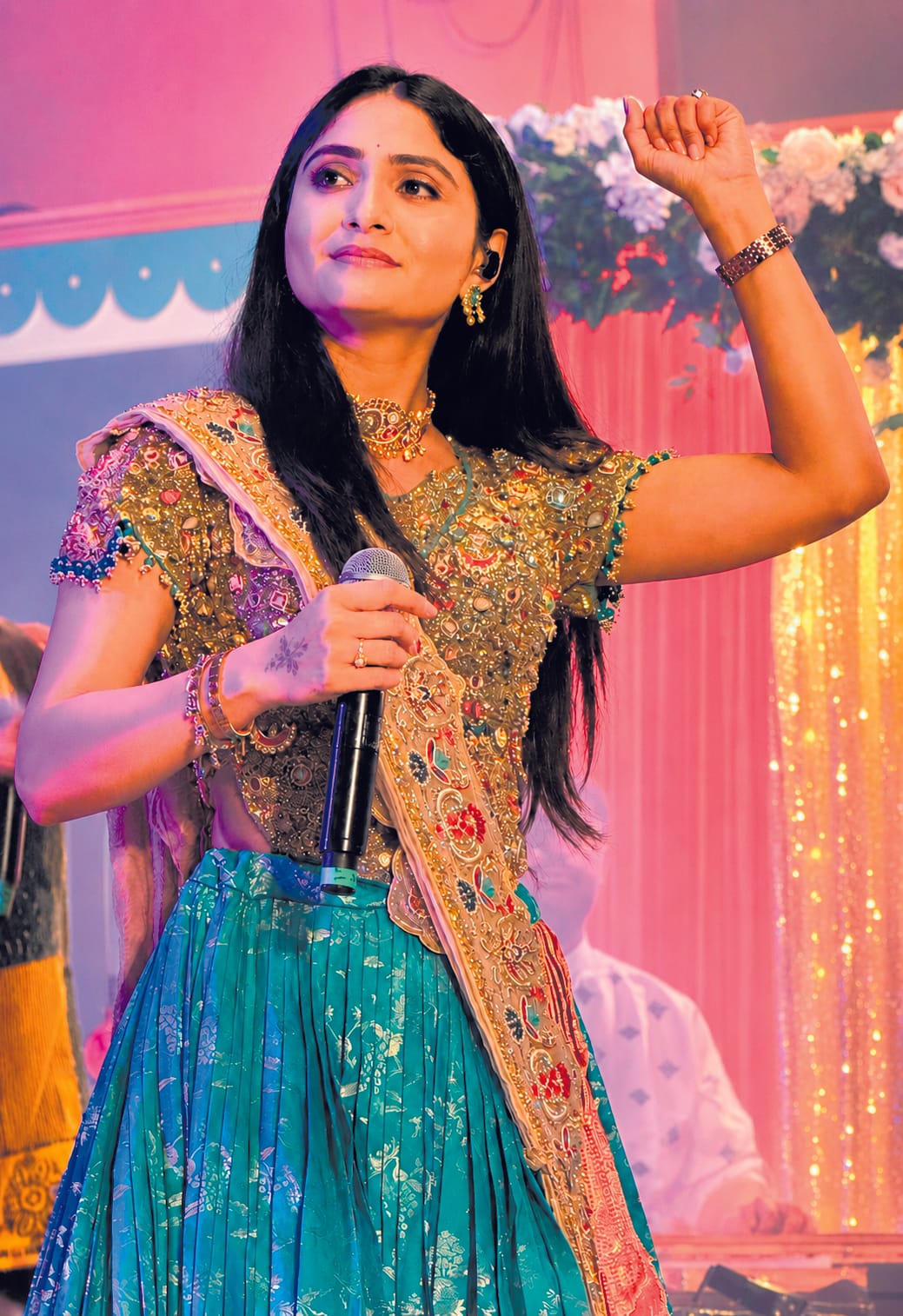
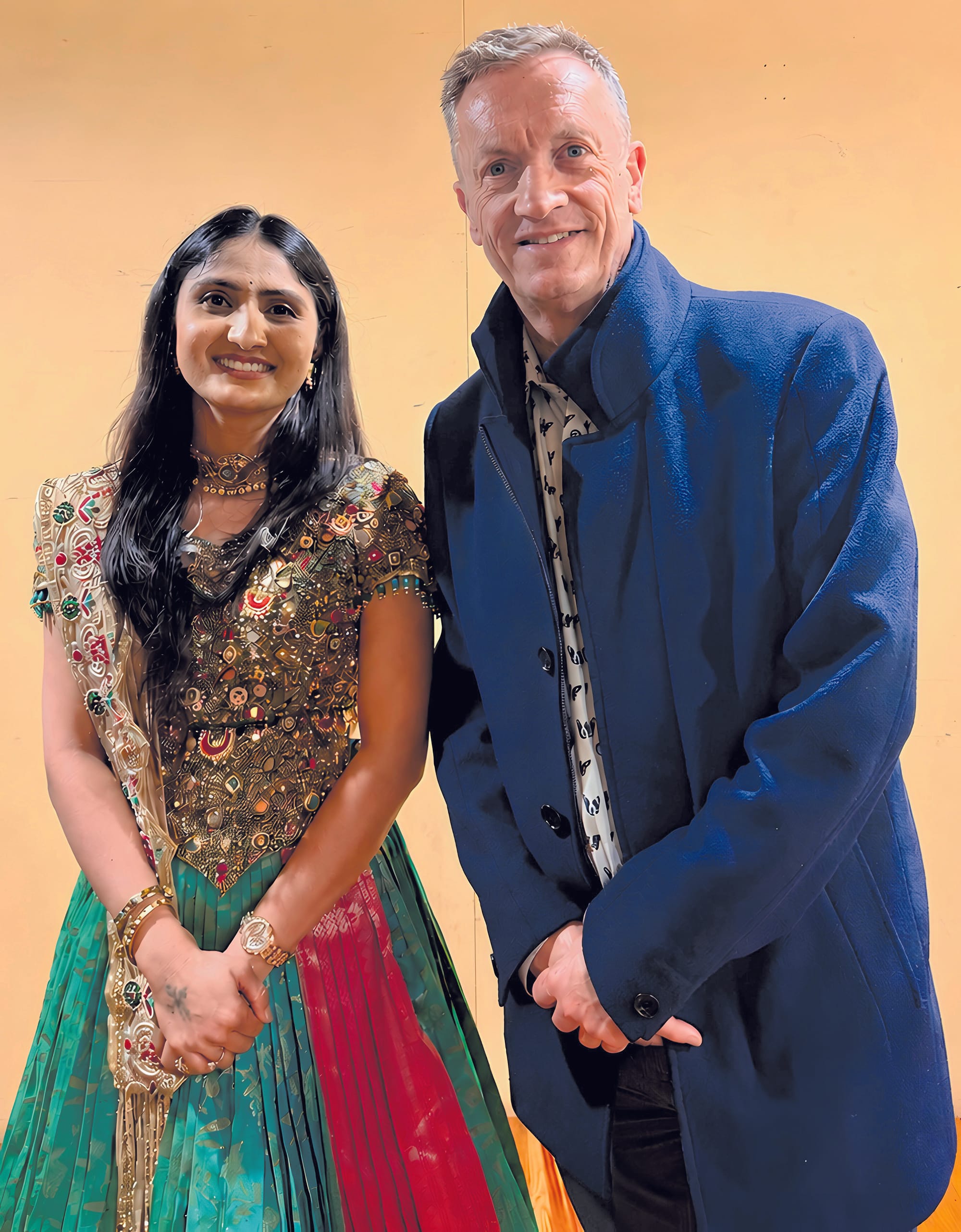
Then, shortly after 8.30pm, the big moment arrived, what they’d all been waiting for. Cue pandemonium. Cue Geeta Rabari, India’s version of global pop star phenomena Taylor Swift.
When Rabari stepped on to the stage the crowd erupted because she’s their hero and idol, one of India’s biggest cultural and musical stars, who blends traditional folk songs with a modern, high-energy style.
Backed by her band, the 29-year-old Rabari had barely completed her opening line of her first number before the dance floor filled instantly. Throngs rushed to the front of the stage, reaching up with their cellphones trying to get close up shots of Rabari while music flowed from one song to the next. Drums thundered. Cymbals rang. Voices rose above the crowd before dissolving into applause.
In a halftime break, some fans had paid to meet and get a photo taken with Rabari, with her personal security never far away. I joined the queue and our interaction lasted only a few minutes, an interview conducted through an interpreter and then a smile and a handshake before I was back outside to allow Rabari time to freshen up before returning to the stage and that deafening roar.
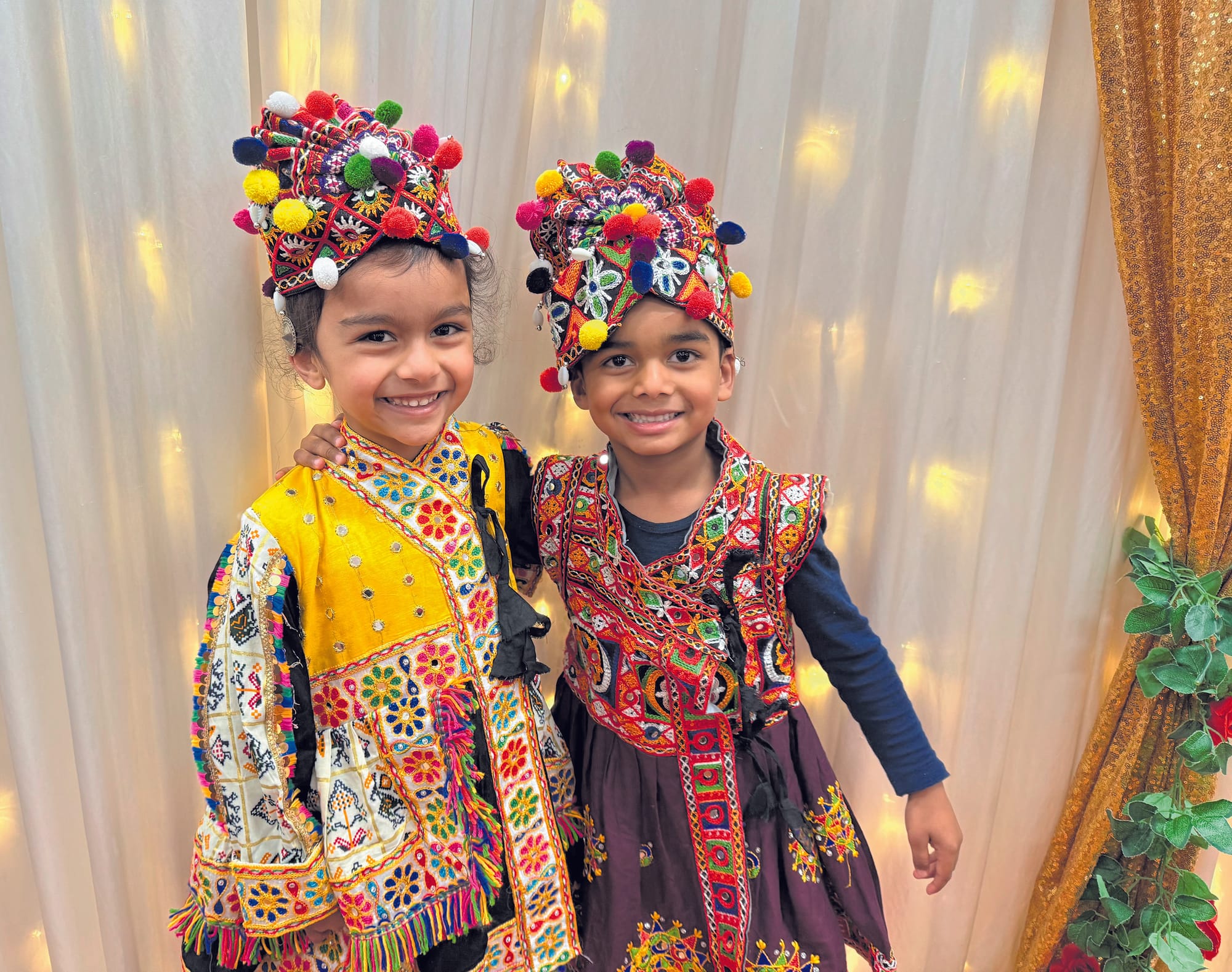
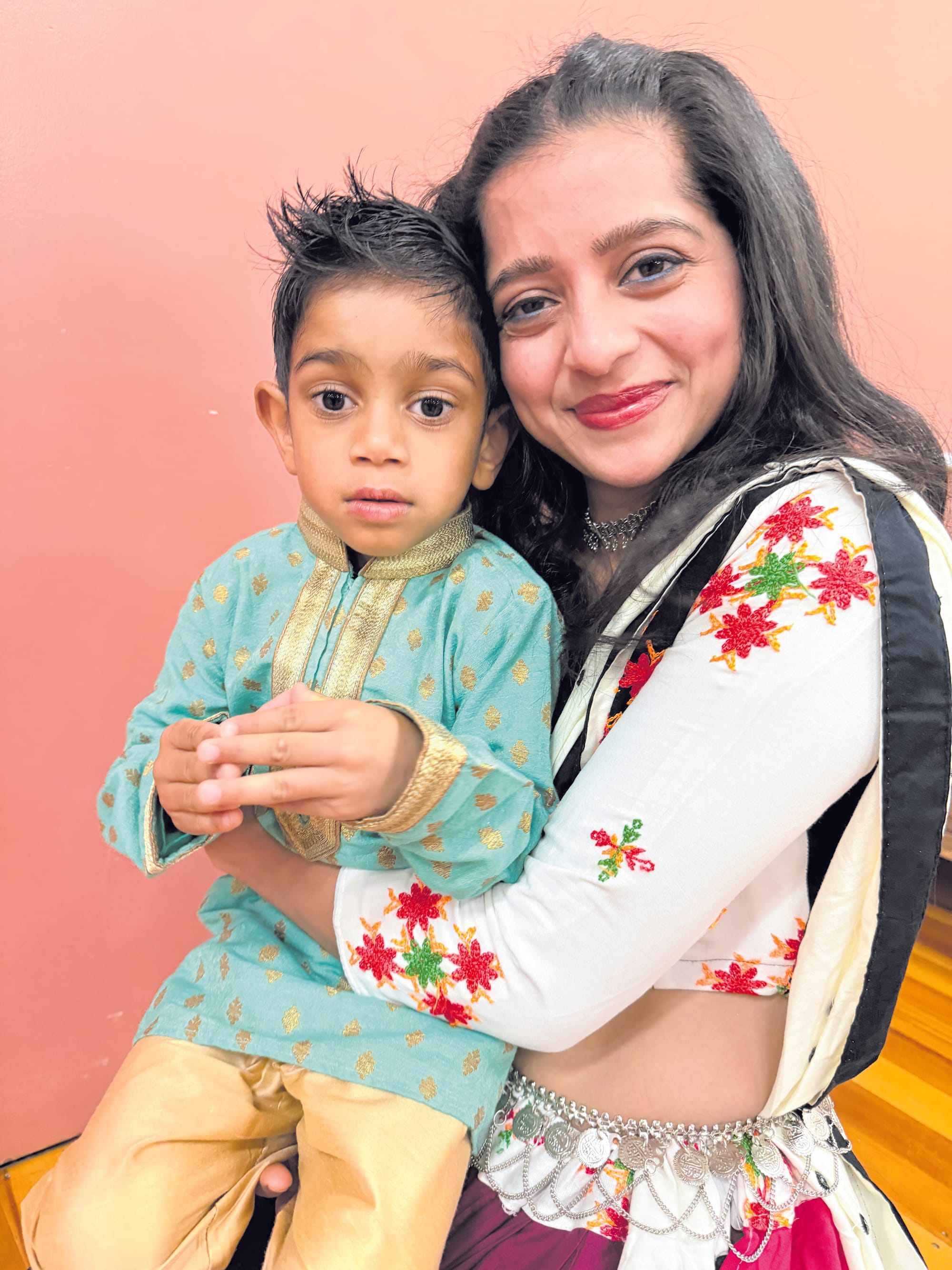
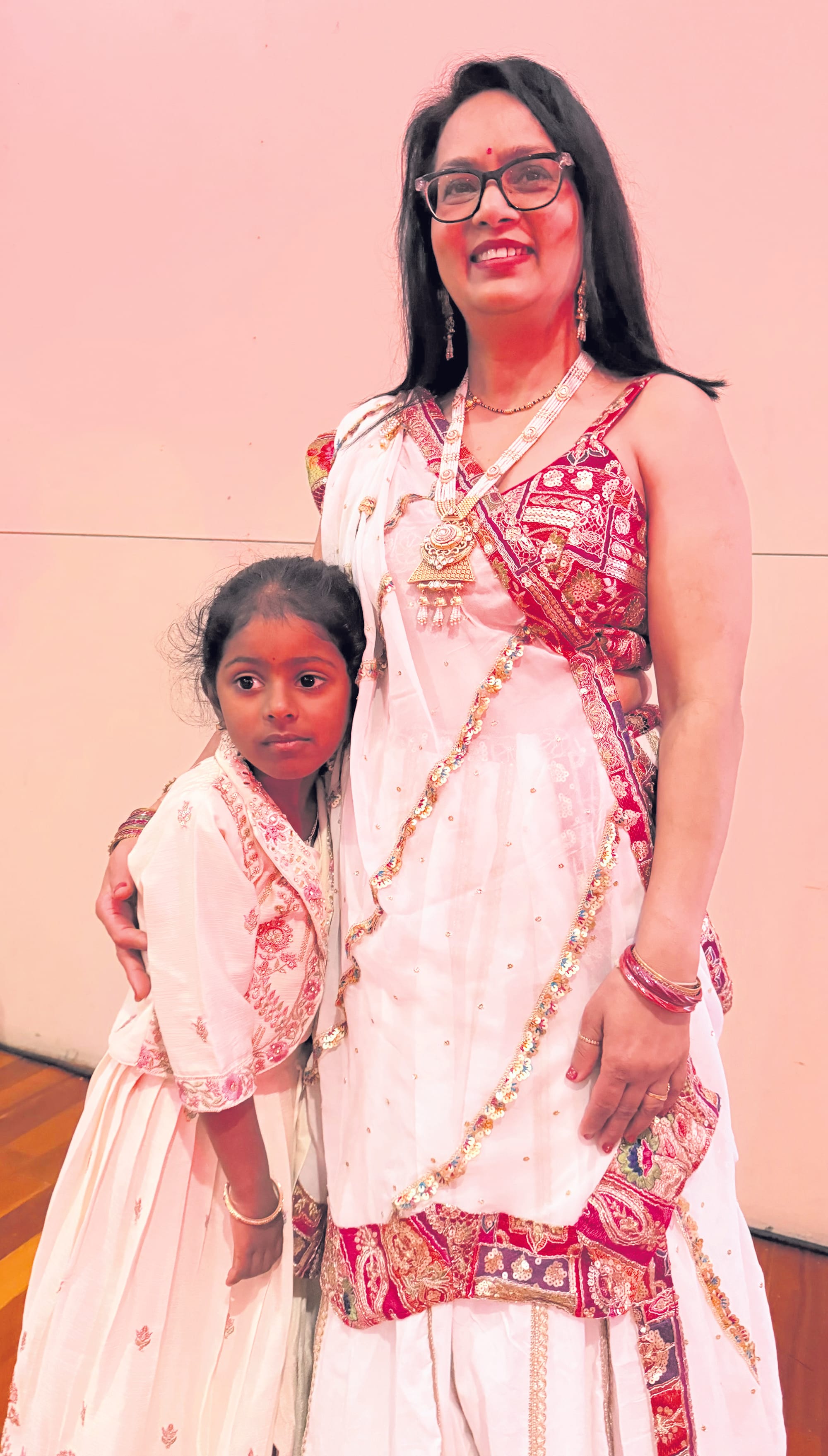
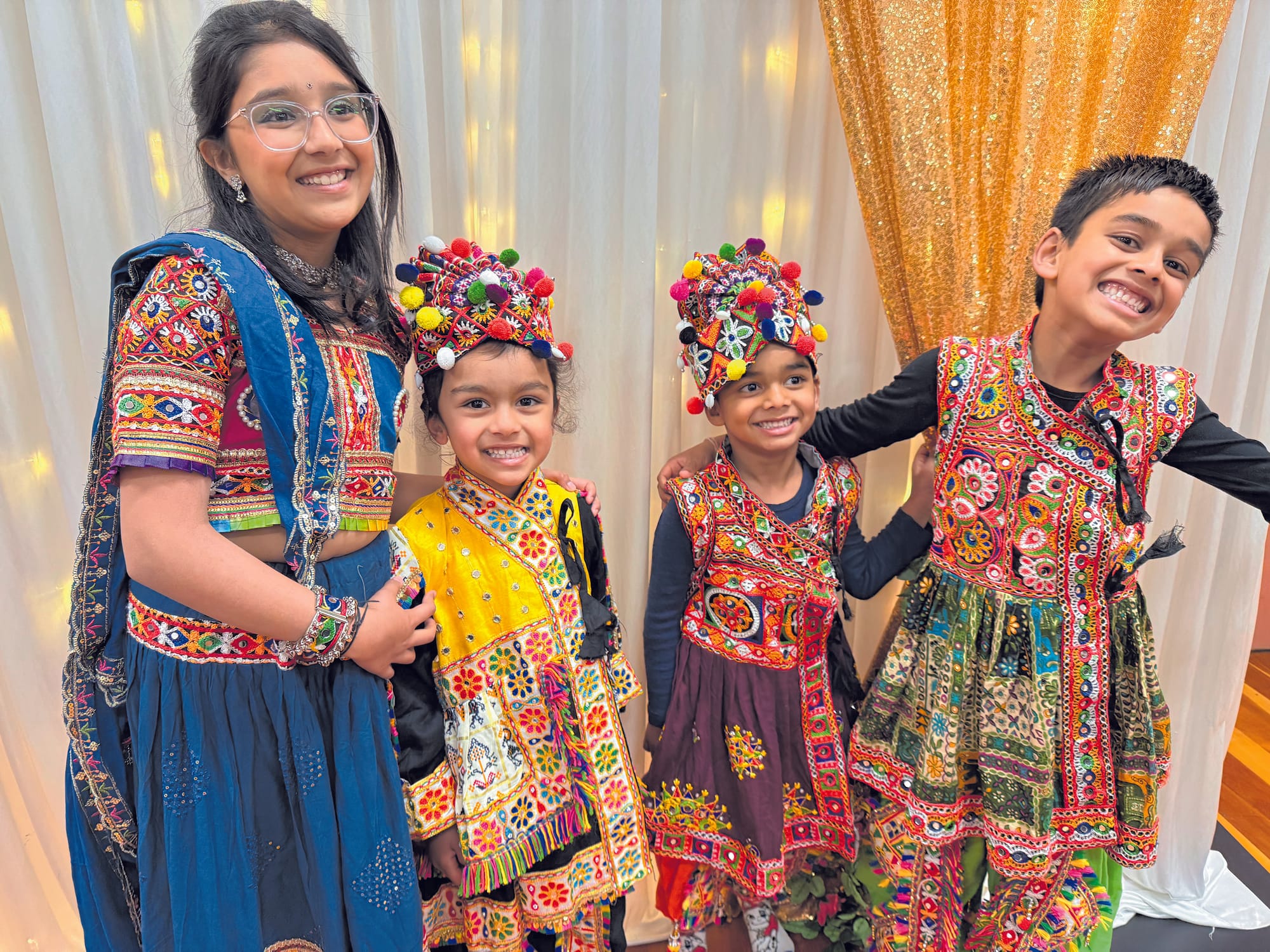
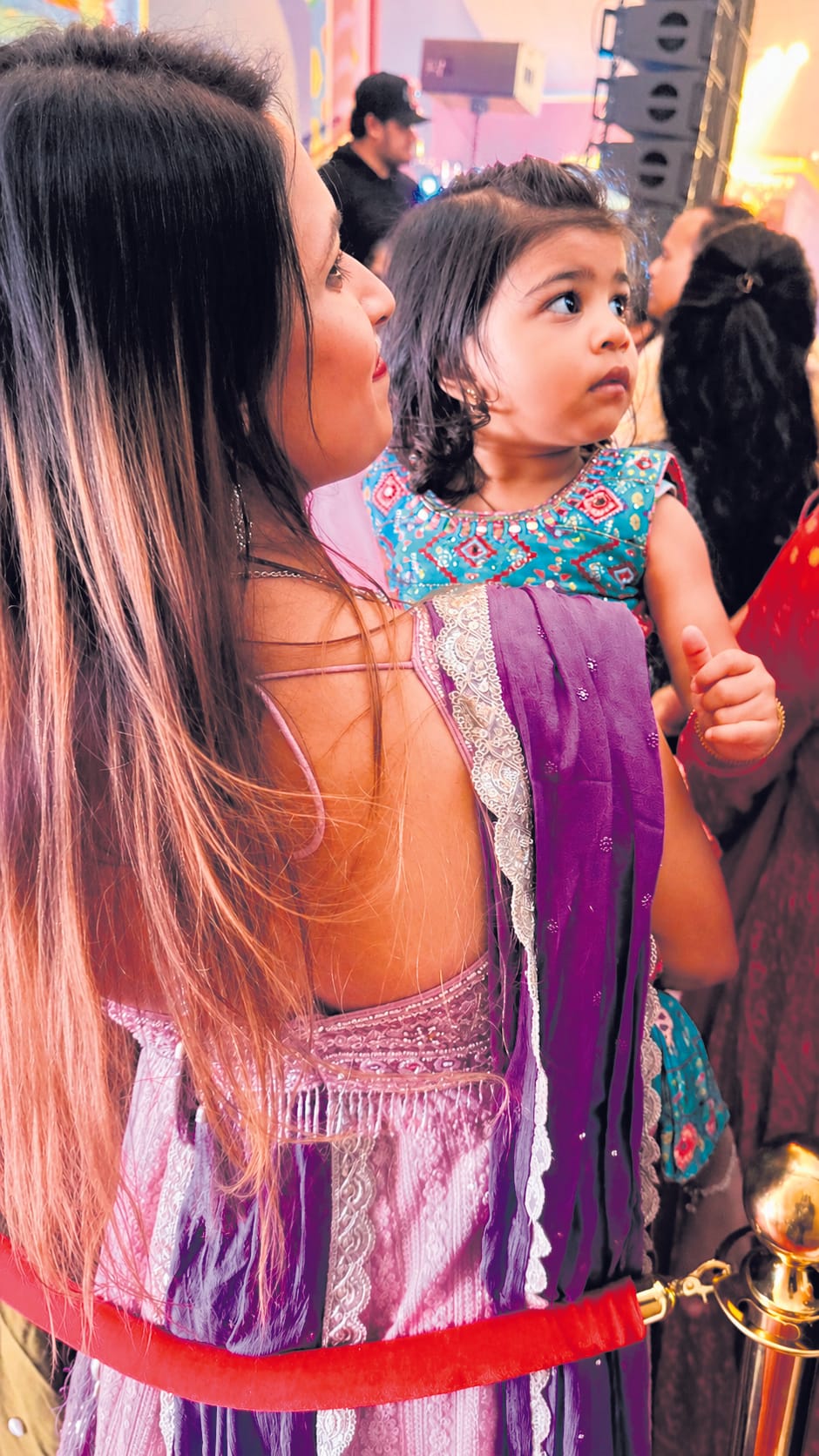
But, as big as she is and for all her millions of social media followers, the evening reflected something more significant than hosting an Indian superstar. For many, the occasion was also a reunion of sorts, with some families having travelled across New Zealand to be there. Children danced proudly in impressive traditional dress beside parents and grandparents, learning customs that have crossed oceans and generations.
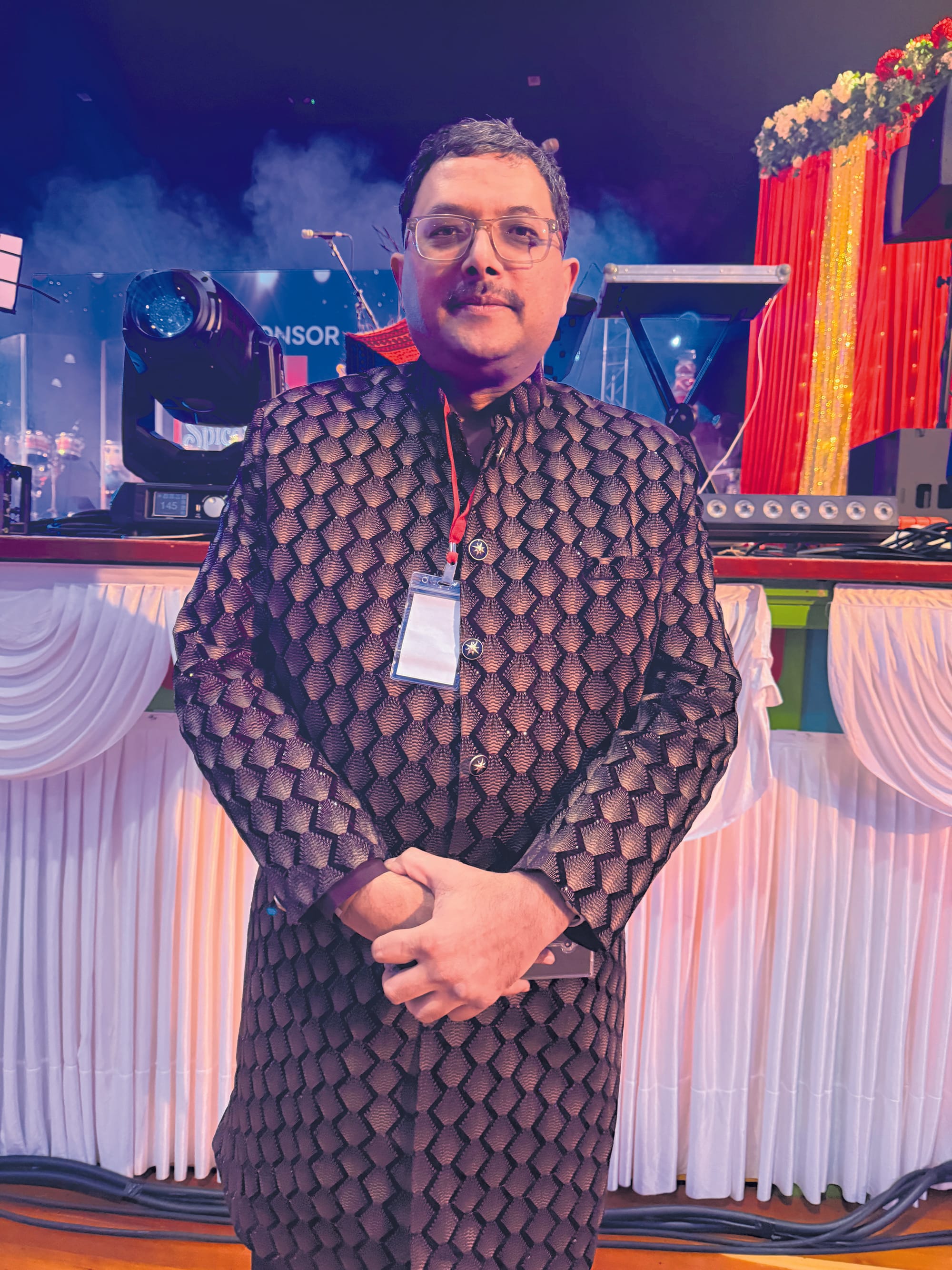
For Kush Bhargava, one of the organisers, fostering family and community connections was a key aim, extending well beyond the Indian community.
“The main aim is to bring the Indian community together, celebrate our cultural heritage, and share Indian traditions with the wider New Zealand community,” he said.
“Events like this also help strengthen the growing friendship between New Zealand and India.”
And perhaps there was no better time for a celebration like this because it followed the whirlwind New Zealand visit of India’s very own rock star Prime Minister Narendra Modi just a week earlier, that historic trip coming three months after the landmark free trade agreement had been signed, sealed and delivered.
But while politicians strengthen relationships through diplomacy and trade, evenings like those in Wellington bolster them in a different way, through people, culture and shared experiences.
It’s why excited organisers hope Garba celebrations will continue to spread throughout the country, with Christchurch and Queenstown in line to host and perhaps, in time, even Ashburton.
And maybe that was the night's greatest success because it wasn’t simply that hundreds came together for an unforgettable evening, but that similar occasions may soon be enjoyed across New Zealand.
Because it was certainly enjoyed in the capital, the vibe and atmosphere genuine and unmistakable, proving there was no divide between young and old, performers and the audience, or lifelong Garba dancers and those experiencing it for the first time.
Everyone found the rhythm and long after the final song, many lingered, smiling and reluctant to leave, and that’s because some nights entertain, while others build understanding.
Last Friday night in Wellington, more than 1000 festivalgoers got to enjoy both.
By Daryl Holden