
Wairuna Wetland Shows Big Wins for Water Quality

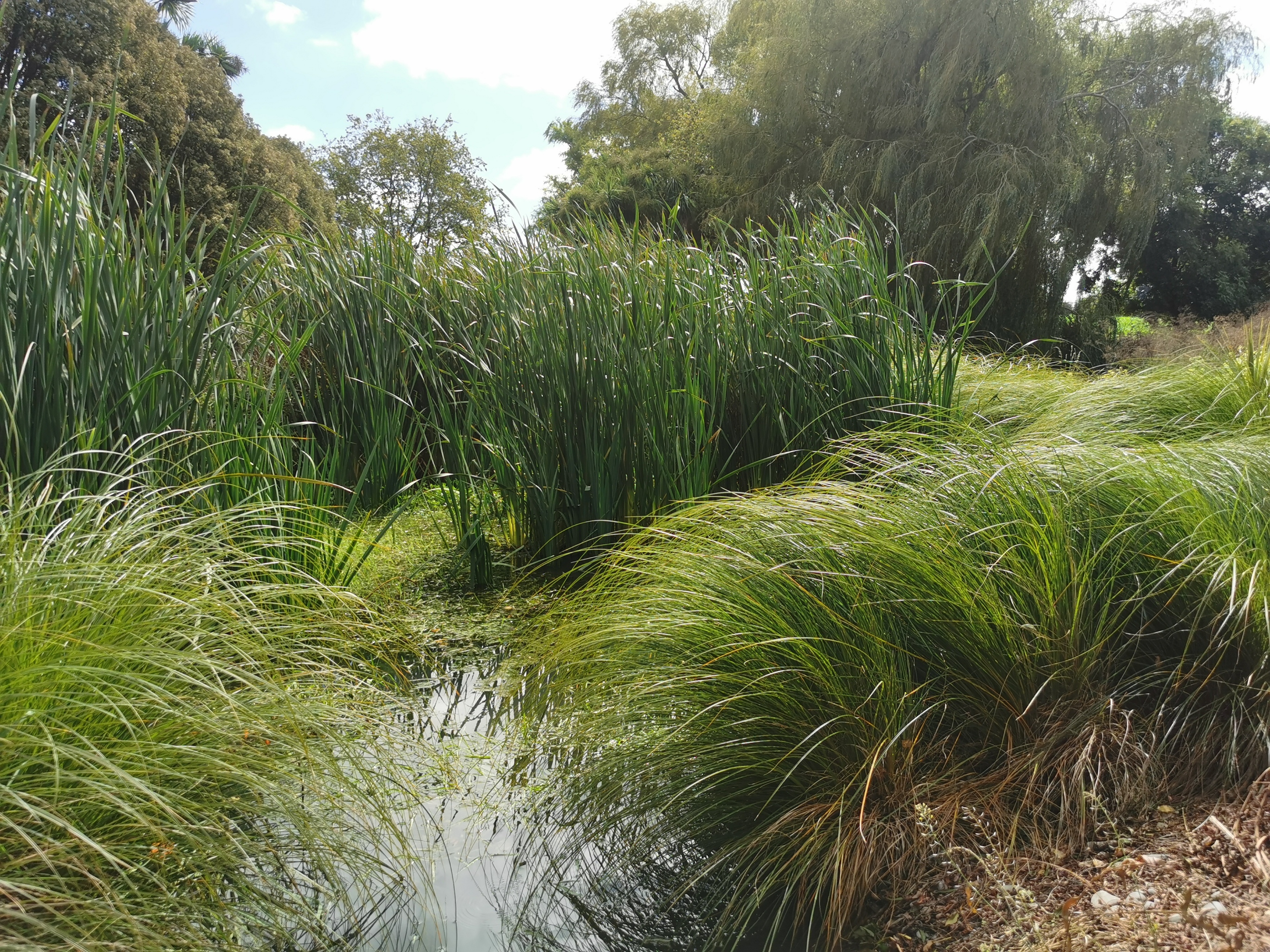
The wetland constructed at Wairuna Farm on the McKenzie property on the south bank of the Hinds River is now almost two years old.
Some of you would have taken the opportunity to ride through the area on the Longbeach Coastal Challenge bike ride.
From the period 20 September 2024 - 25 June 2025 the wetland has reduced the nitrate concentration of the water leaving the wetland by a massive 43%.
During the growing season the wetland plants (carex secta, giant rush, jointed rush and Raupo) have really extracted nitrogen.
Peak reduction occurred in December with a 61% reduction.
Water was entering the wetland at 8.66ppm N (parts per million nitrogen) and exiting at 3.40ppm N.
The wetland trial, which is relatively small at a surface area of 647m2, has clearly demonstrated to the Catchment Group the value of the wetland as a tool to remove nitrate from our waterways.
This project would not have been successful without the support of many within our community.
Lee Burbery from DairyNZ at Lincoln provided the design which focused on a low-cost approach that could be replicated by other farmers.
Nick Vernon from Synlait Environmental Team helped us navigate the ECan rules which enabled the wetland to be developed under a permitted activity.
Not having to go to the expense of consenting, which was anticipated to cost more than our construction cost, enabled the project to proceed.
The monitoring of the performance would not have been possible without the contribution of two real-time nitrate sensors; one supplied by the Ashburton Zone Committee and the other by MHV Water.
Murray Neutze from MHV Water has kept all the technology running and taken additional water samples to check on the technology.
We plan to keep monitoring the performance of the wetland for at least another year.
This is one of the few wetland sites in New Zealand where the true performance of the wetland is being monitored.
The success of the Wairuna wetland will hopefully encourage others in the wider community to consider constructed wetlands as a great mitigation tool for surface water nitrates where suitable sites are available.
McKenzie’s are looking to develop stage two based on the success of this initial trial.
Let’s hope that the present review of the Resource Management Act (RMA) rules will enable the construction of wetlands without having to obtain expensive consents from ECan.
By Phil Everest
Phil Everest is facilitator for Hinds Hekeao Lowlands Catchment Group